Published Date : July 15, 2026
Introduction of MFA
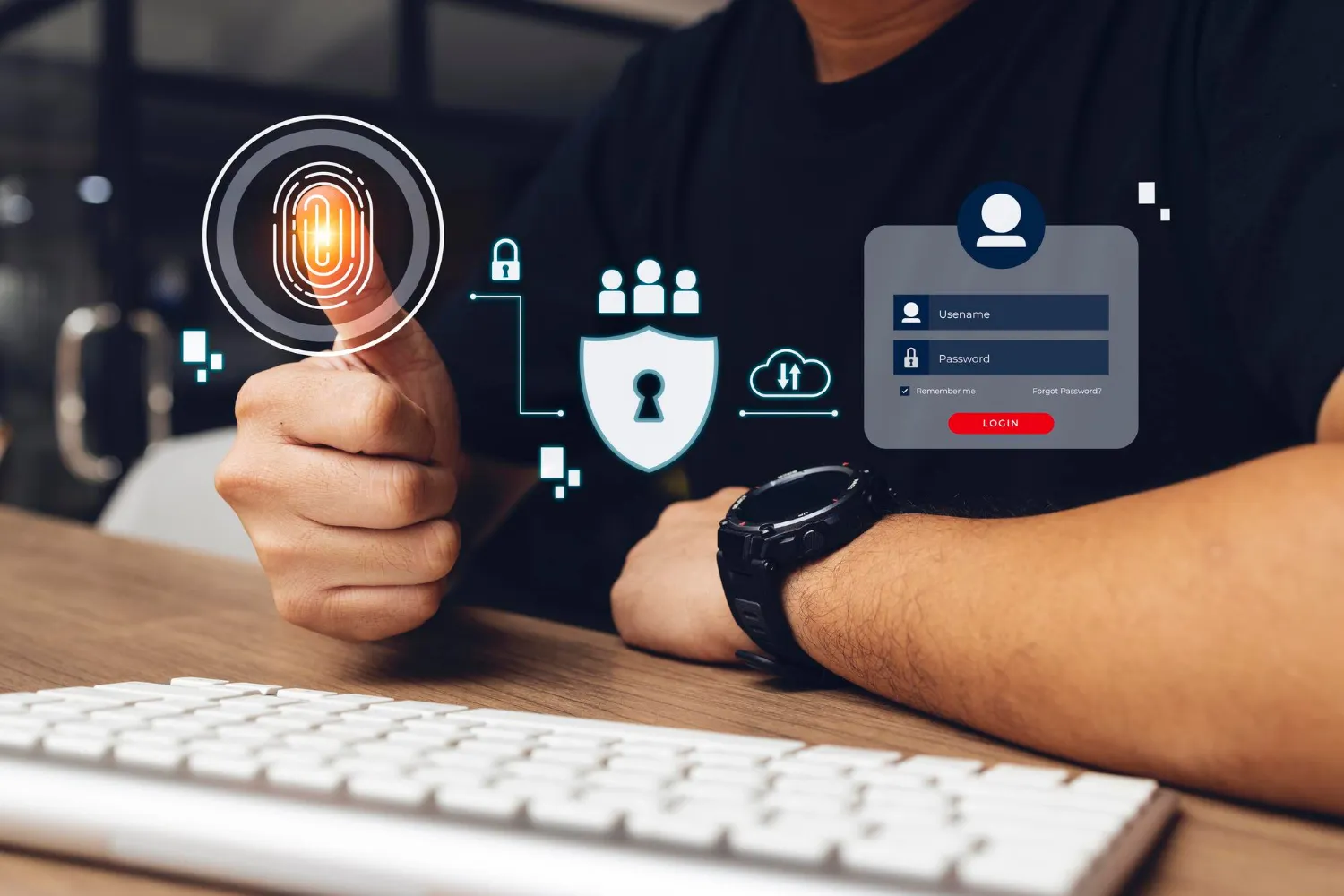
Multi-Factor Authentication (MFA) is a critical security protocol requiring users to provide two or more distinct verification factors before gaining access to a digital resource. Instead of relying solely on a traditional password, which attackers can easily steal through phishing or data breaches, MFA creates layered defenses. If one factor is compromised, the intruder still faces additional hurdles, significantly reducing the probability of a successful unauthorized entry. This method has become a foundational requirement for modern cybersecurity, especially as identity-based attacks grow in complexity in 2026.
Commonly known by several alternate terms, MFA is often referred to as “Two-Factor Authentication (2FA)” when exactly two factors are used. In many consumer contexts, it appears as “two-step verification,” a term popularized by major tech providers. Within highly regulated sectors, experts frequently categorize these systems as “strong authentication.” This label signifies that the authentication process meets rigorous technical standards designed to resist interception.
Regardless of the specific terminology, the core objective remains the same: ensuring that the person attempting to log in is truly who they claim to be by validating multiple independent pieces of evidence. This shift from single-gate security to multi-layered verification is essential for protecting sensitive corporate data and personal user accounts in a high-threat environment.
How does MFA work?
The mechanics of Multi-Factor Authentication rely on the successful validation of distinct categories of evidence. When a user attempts to log in, the system first requests their primary credential, typically a username and password. Once this is verified, the MFA service triggers a request for a secondary factor. The system will only grant access if the user successfully completes all required steps. This process ensures that even if an attacker possesses a correct password, they cannot proceed without also having physical access to a specific device or providing a biological identifier.
Security professionals categorize these verification steps using the three-factor model:
- Knowledge (Something you know): This includes information like passwords, PINs, or the answers to specific security questions.
- Possession (Something you have): This involves physical or digital items such as a smartphone, a hardware security key, or a software-based authenticator app that generates temporary codes.
- Inherence (Something you are): This refers to biological traits, including fingerprints, facial recognition, or iris scans.
Advanced systems in 2026 also incorporate “contextual factors” such as geographic location or time of day. If a login attempt occurs from an unusual country or at an irregular hour, the system may demand additional verification or block the attempt entirely. By combining these independent categories, organizations create a robust barrier that is significantly harder to bypass than any single-layer system.
MFA authentication methods
Modern organizations utilize a variety of methods to verify identities, ranging from simple text codes to advanced cryptographic hardware. Each method provides a different balance between user convenience and technical resistance to attacks. While traditional SMS codes were once the standard, the shift toward phishing-resistant methods like FIDO2 has accelerated as threat actors become more adept at intercepting mobile communications. The following table summarizes the primary methods utilized in 2026.
| Method Name | Factor Type | Example | Strength Rating |
|---|---|---|---|
| OTP (SMS/Email) | Possession | 6-digit code via text | Low |
| TOTP (App-based) | Possession | Google Authenticator code | Medium |
| Push Notification | Possession | Mobile app "Approve" button | Medium to High |
| FIDO2/Passkey | Possession + Inherence | YubiKey or device-bound key | Very High |
| Biometric | Inherence | Fingerprint or Face ID | High |
Selecting the appropriate method depends on the risk profile of the user. For instance, administrative accounts with access to critical infrastructure should ideally utilize FIDO2 security keys to prevent credential theft. Conversely, general employees might use push notifications or TOTP for a smoother daily workflow. Biometric factors remain popular due to their speed, though they are often paired with a possession factor to ensure maximum reliability against synthetic identity fraud.
MFA vs 2FA: key differences
People often use the terms interchangeably, though there’s a distinct technical difference exists between Two-Factor Authentication (2FA) and Multi-Factor Authentication (MFA). 2FA is essentially a subset of MFA, representing the simplest form of multi-layered security. The primary distinction lies in the number of factors required and the flexibility of the security policy. As organizations move toward Zero Trust architectures, the broader MFA framework is preferred for its ability to scale and adapt to different risk levels.
| Feature | Two-Factor Authentication (2FA) | Multi-Factor Authentication (MFA) |
|---|---|---|
| Number of Factors | Strictly limited to two. | Can require two, three, or more. |
| Security Depth | Provides a fixed second layer. | Allows for deep, multi-layered defense. |
| Factor Variety | Usually, Knowledge + Possession. | Can mix all factor types + context. |
| Flexibility | Linear and often rigid. | Dynamic and risk-based. |
| Resistance | Susceptible to targeted bypass. | Highest level of threat resistance. |
In a 2FA setup, a password and a text code are sufficient. However, an MFA environment might require a password, a hardware token, and a biometric scan for a single high-value transaction. This tiered approach allows security teams to apply stricter requirements for sensitive actions while maintaining simpler protocols for low-risk tasks. Consequently, MFA provides a more comprehensive shield for complex enterprise networks that manage diverse user roles and assets.
Why MFA matters in the Middle East
According to a report by IBM, the average cost of a data breach in the Middle East reached SAR 27.00 million in 2025, with phishing being a top attack vector. Regional threats have surged, necessitating a shift toward phishing-resistant identity protocols like FIDO2 to combat identity-based attacks.
Secure your organisation with phishing-resistant MFA
Talk to our identity security specialists and find the right authentication strategy for your team.
Faq
FIDO2 and hardware-based passkeys are currently considered the most secure methods. These tools are phishing-resistant because they utilize public-key cryptography and are bound to a specific device, meaning they cannot be easily intercepted by remote attackers or cloned.
Yes, attackers use techniques like MFA fatigue, where they spam a user with push notifications until the user accidentally approves one. They also utilize session token theft or adversary-in-the-middle (AiTM) proxy sites to capture authentication tokens in real time.
MFA requires multiple factors, which may still include a password. Passwordless authentication removes the password entirely, replacing it with secure alternatives like biometrics or hardware keys. Many passwordless systems are actually a form of MFA because they require a device (possession) and a biometric (inherence).
Yes. In Saudi Arabia, SAMA mandates MFA for core banking and administrative access. In the UAE, the Central Bank has directed the phase-out of OTP-only systems, while the National Cyber Security Strategy emphasizes mandatory resilience for critical sectors.
